
Agricultural activities generate massive amounts of biomass waste every year, including corn stalks, rice straw, wheat straw, sugarcane leaves, and other crop residues. In many regions, these materials are still burned in open fields or discarded, causing environmental pollution and wasting valuable renewable resources.
With the rapid growth of biomass fuel production, organic fertilizer manufacturing, and agricultural recycling industries, biomass straw shredders have become essential equipment for modern crop residue processing. These machines help reduce the size of agricultural waste efficiently, making transportation, storage, and downstream recycling much easier.
For biomass recycling plants, farms, bioenergy companies, and waste management facilities, investing in a reliable biomass straw shredder can significantly improve processing efficiency and operational profitability.
What Is a Biomass Straw Shredder?
A biomass straw shredder is an industrial shredding machine specially designed for processing lightweight, fibrous, and bulky agricultural materials. The machine uses high-torque shredding shafts and durable blades to tear, cut, and reduce crop residues into smaller particles.
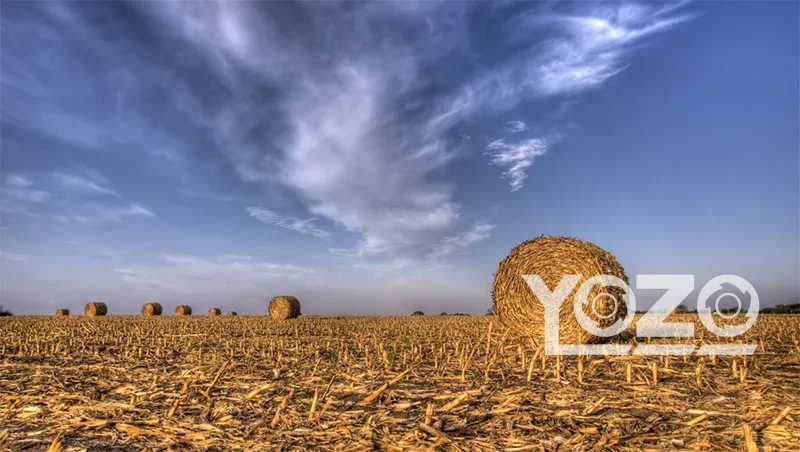
Common materials processed by biomass straw shredders include:
Corn stalks
Rice straw
Wheat straw
Cotton stalks
Sugarcane leaves
Palm fiber
Hay and grass
Peanut vines
Forestry residues
Coconut fiber
After shredding, these materials can be used for:
Biomass pellet production
RDF fuel manufacturing
Composting systems
Animal bedding materials
Organic fertilizer production
Bioenergy generation
Agricultural recycling projects
Why Crop Residue Processing Is Important
Reducing Environmental Pollution
Open burning of crop residues creates severe air pollution and increases carbon emissions. Recycling biomass waste through shredding and reuse helps protect the environment and supports sustainable agriculture.
Improving Biomass Fuel Production
Straw and crop residues are important raw materials for biomass pellets and briquettes. Proper shredding improves material consistency and increases pellet production efficiency.
Lowering Transportation and Storage Costs
Bulky straw materials occupy large storage spaces and are expensive to transport. Shredding reduces volume significantly, improving logistics efficiency.
Creating Additional Economic Value
Processed agricultural waste can be converted into sellable biomass fuel, organic fertilizer, or industrial raw materials, creating additional revenue opportunities for farms and recycling companies.
Main Features of a Biomass Straw Shredder
High Torque Shredding System
Biomass straw materials are often lightweight but highly fibrous. A high-torque shredding system ensures stable feeding and effective material tearing.
Wear-Resistant Blades
Industrial-grade alloy steel blades improve durability and maintain long service life even under continuous operation.
Wide Material Adaptability
Modern biomass straw shredders can process multiple agricultural materials within the same recycling system.
Low-Speed Operation
Low-speed shredding reduces dust, noise, and machine wear while improving operational safety.
Customizable Output Size
Different applications require different output particle sizes. The machine configuration can be adjusted according to project requirements.
Common Applications of Biomass Straw Shredders
Biomass Pellet Production Lines
Shredded straw materials are ideal for pelletizing systems used in renewable biomass fuel production.
RDF Fuel Processing
Crop residues can be processed into alternative fuels for cement plants and industrial boilers.
Organic Fertilizer Plants
Shredded biomass materials decompose more efficiently in composting and fertilizer production systems.
Agricultural Waste Recycling Centers
Biomass shredders are widely used in centralized agricultural waste treatment facilities.
Animal Bedding Production
Processed straw materials can be used as bedding for livestock farms.
How to Choose the Right Biomass Straw Shredder
Selecting the proper machine depends on several important factors:
Material Characteristics
Different crop residues have different moisture levels, fiber strength, and density. Machine configurations should match actual material conditions.
Processing Capacity
Production capacity requirements vary from small farm operations to large industrial recycling plants.
Final Output Requirements
The desired output size depends on downstream applications such as pelletizing, composting, or fuel production.
Maintenance and Durability
Reliable blade design and easy maintenance help reduce downtime and operating costs.
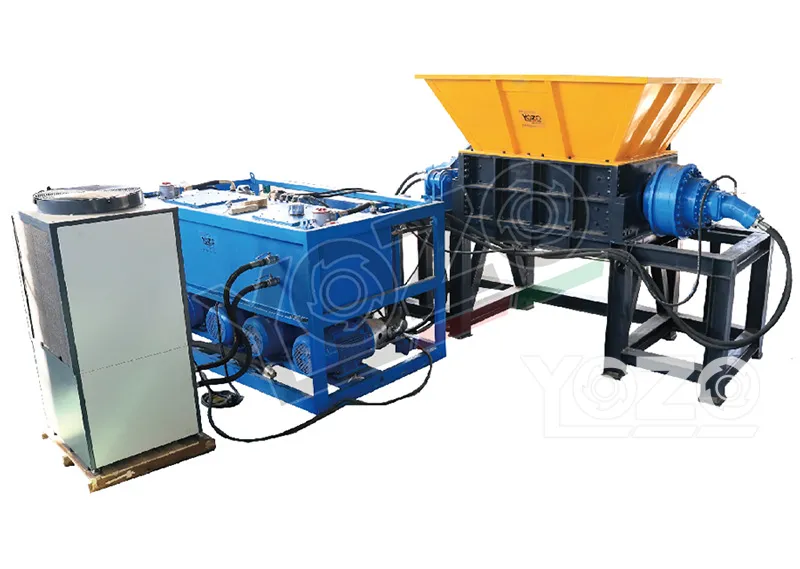
Double Shaft Biomass Straw Shredders
Double shaft shredders are among the most popular machines for agricultural waste processing. They provide:
Strong tearing force
Stable continuous feeding
High processing efficiency
Excellent performance for fibrous materials
Reduced risk of material wrapping
These advantages make double shaft shredders ideal for corn stalks, rice straw, and mixed crop residue processing.
Why Choose YOZO Machinery for Biomass Straw Shredding Solutions?
As a professional recycling equipment manufacturer, YOZO Machinery provides advanced biomass straw shredding equipment for agricultural and industrial recycling projects.
YOZO Machinery offers:
Heavy-duty biomass shredders
Customized machine configurations
Durable alloy steel blades
High-efficiency processing systems
Complete biomass recycling production lines
Professional technical support and project solutions
Whether you are processing corn stalks, rice straw, forestry waste, or mixed agricultural residues, YOZO Machinery can provide reliable shredding solutions tailored to your operational needs.
Future Development of Biomass Recycling
Global demand for renewable energy and sustainable waste management continues to grow rapidly. Biomass recycling is becoming an important part of modern environmental protection and circular economy systems.
Agricultural waste that was once considered useless is now being transformed into valuable biomass fuel and recyclable resources. Efficient biomass straw shredders will continue to play a key role in improving resource recovery and supporting green energy industries worldwide.
Conclusion
A biomass straw shredder is essential equipment for processing corn stalks, rice straw, and various agricultural crop residues. It improves recycling efficiency, reduces environmental pollution, and helps convert agricultural waste into valuable renewable resources.
For businesses seeking reliable biomass recycling equipment, YOZO Machinery provides professional shredding solutions designed for high efficiency, durability, and long-term industrial performance.