
Fabric waste is generated throughout the textile industry, from garment manufacturing and fabric cutting to clothing collection and textile disposal. Instead of sending all discarded materials to landfills, suitable fabric waste can be processed into reusable fibers for new products and industrial applications.
Converting fabric waste into reusable fiber typically involves sorting, shredding, fiber opening, and further processing. The exact method depends on the fabric composition, contamination level, and quality requirements of the recovered fibers.
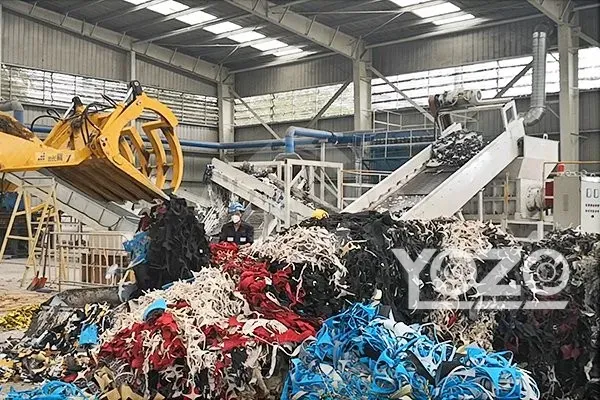
1. Sort Fabric Waste by Material Type
The first step is to identify and separate textile waste according to fiber composition, color, and condition.
Common materials include:
Cotton fabric scraps from garment factories
Polyester and other synthetic textiles
Wool and blended fabrics
Rejected garments and used clothing
Upholstery textiles and selected nonwoven materials
Sorting is important because cotton, polyester, and blended fabrics may require different recycling methods. Removing zippers, buttons, metal components, and other contaminants also helps protect processing equipment and improve the quality of recovered materials.
2. Shred Fabric Waste into Smaller Pieces
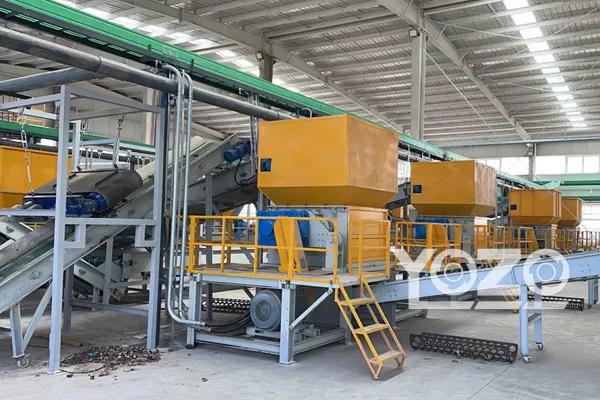
After sorting and preparation, fabric waste is fed into a textile waste shredder for size reduction.
Large garments, fabric bundles, and irregular textile scraps can be difficult to process directly. Shredding reduces their size, making them easier to transport and feed into downstream equipment.
A double shaft shredder can be suitable for primary shredding of bulky garments and mixed textile waste. Its counter-rotating shafts use cutting tools to grip and tear suitable materials into smaller pieces.
Machine selection should account for fabric thickness, elasticity, fiber length, and the risk of material wrapping around rotating components. Shredding prepares the feedstock, but does not by itself produce reusable fibers.
3. Open Shredded Textiles into Fibers
Following shredding, suitable textile materials are processed through fiber-opening equipment. This equipment mechanically separates the fabric structure and loosens the material into individual or shorter fiber bundles.
The objective is to recover fibers while limiting excessive fiber damage.
Mechanical fiber recovery is commonly used for suitable cotton, wool, and other textile waste. However, the recovered fibers may be shorter than virgin fibers, depending on the original fabric and processing conditions.
These fibers may be blended with virgin fibers or other recovered materials to manufacture new products.
4. Clean and Prepare the Recovered Fibers
Depending on the incoming material and intended application, additional cleaning and separation may be necessary to remove dust, loose contaminants, and unwanted components.
For certain textile streams, washing or other specialized treatment may also be required. The appropriate process depends on the material and the quality specifications of the final product.
Cleanliness, fiber length, strength, and consistency all influence whether recovered fibers can be reused in textile manufacturing or other applications.
5. Manufacture New Products from Reusable Fibers
Once prepared, recovered fibers can be used in several applications, depending on their quality and composition.
Recycled yarn and fabrics: Suitable fibers may be blended with virgin fibers for spinning and textile production.
Nonwoven materials: Recovered fibers can be used in selected nonwoven products.
Insulation and padding: Certain textile fibers are suitable for thermal or acoustic insulation and cushioning.
Industrial products: Recovered fibers may be used in wiping materials, filling, and other industrial applications.
Not every fabric waste stream can be recycled into new clothing. Blended fibers, contamination, and shortened fiber length can limit the available applications.
What Equipment Is Needed for Fabric Waste Recycling?
A typical mechanical textile recycling line may include:
| Equipment | Main Function |
|---|---|
| Sorting station | Separates materials and removes unsuitable contaminants |
| Textile waste shredder | Reduces bulky fabric waste into smaller pieces |
| Fiber-opening machine | Separates textile structures into recoverable fibers |
| Cleaning and separation equipment | Removes contaminants where required |
| Fiber collection system | Collects and transfers recovered material |
The complete equipment configuration depends on the waste type, processing capacity, and final product requirements.
Why Choose YOZO Machinery?
YOZO Machinery provides industrial shredding solutions for waste size reduction and recycling applications. For textile recycling projects, a suitable shredder can help prepare bulky garments, fabric scraps, and selected mixed textile waste for subsequent fiber-opening processes.
Equipment selection should be based on material characteristics, required throughput, target output size, and the downstream recycling system.
Explore industrial shredding solutions at YOZO Machinery.
Conclusion
Fabric waste can be converted into reusable fiber through a combination of sorting, shredding, fiber opening, cleaning, and further processing. The quality of the recovered fiber depends on the original material, contamination level, and recycling method.
A properly selected textile waste shredder helps prepare suitable fabric waste for the next stage of recycling. When integrated with appropriate fiber-opening and separation equipment, it can support a more efficient textile material recovery process.