
A textile recycling plant requires suitable equipment to collect, sort, process, and recover materials from discarded fabrics and garments. Depending on the type of textile waste and the final product, a recycling line may include sorting systems, textile shredders, fiber-opening machines, cleaning equipment, and material handling systems.
Choosing the right equipment helps improve processing efficiency, reduce manual handling, and prepare textile waste for reuse or further recycling.
1. Sorting Equipment
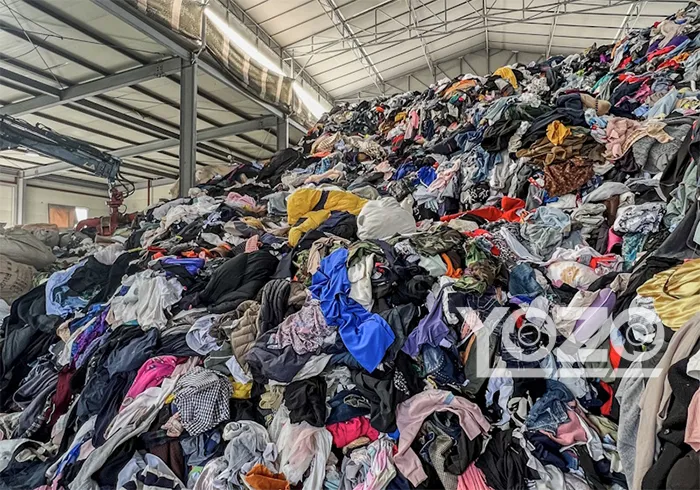
Sorting is the first important step in textile recycling. Waste materials may include cotton scraps, polyester fabrics, blended garments, used clothing, and upholstery textiles.
Sorting stations or conveyor-based sorting systems help separate materials by fiber composition, color, condition, and contamination level.
Removing unsuitable materials, such as large metal components and heavily contaminated textiles, can protect downstream equipment and improve the quality of recovered materials.
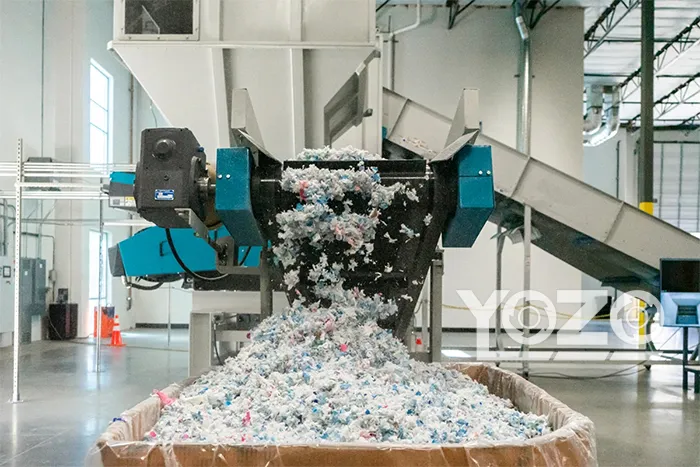
2. Textile Waste Shredder
A textile waste shredder reduces bulky garments, fabric bundles, and textile scraps into smaller pieces. This makes the material easier to transport, handle, and feed into downstream processing equipment.
A double shaft shredder can be suitable for primary size reduction of bulky clothing and selected mixed textile waste. Its counter-rotating shafts and cutting tools help grip and tear suitable materials.
When selecting a shredder, consider the fabric type, processing capacity, required output size, and the risk of long fibers wrapping around rotating components.
Shredding is a preparation step rather than a complete fiber recovery process.
3. Fiber-Opening Machine
After shredding, suitable textile materials may pass through a fiber-opening machine. This equipment separates the fabric structure and loosens the material into recoverable fibers or fiber bundles.
Fiber opening is particularly important when the objective is to recover fibers for nonwoven materials, insulation, filling, or selected textile manufacturing applications.
The appropriate machine depends on the original fabric, fiber length requirements, and the intended end product.
4. Cleaning and Separation Equipment
Textile waste may contain dust, loose contaminants, labels, fasteners, or other unwanted materials. Depending on the feedstock, cleaning and separation equipment may be needed after shredding or fiber opening.
Possible systems include screening equipment, air separation, dust collection, and specialized cleaning units.
Not every textile recycling plant requires all these systems. The configuration should match the contamination level and quality specifications of the recovered material.
5. Conveyors and Material Handling Systems
Conveyors, feeding hoppers, collection bins, and discharge systems connect individual machines into a continuous production line.
A suitable material handling system can reduce manual loading, maintain a more consistent feed rate, and improve coordination between shredding and downstream processing.
For larger facilities, automated feeding and centralized dust collection may also be considered.
Typical Textile Recycling Plant Process
A mechanical textile recycling line may follow this general sequence:
Sorting: Separate reusable textiles and classify waste materials.
Pre-treatment: Remove unsuitable contaminants where necessary.
Shredding: Reduce bulky textile waste into smaller pieces.
Fiber opening: Separate suitable textiles into recoverable fibers.
Cleaning and separation: Remove contaminants as required.
Collection and packaging: Collect recovered fibers for storage, transport, or further manufacturing.
The actual process varies according to whether the plant handles factory scraps, used clothing, synthetic fabrics, or blended textiles. Chemical recycling of certain fibers may require a substantially different process and specialized equipment.
How to Choose Equipment for a Textile Recycling Plant
Before investing in equipment, evaluate these key factors:
Raw material: Identify the main fabric types, fiber blends, and contamination levels.
Processing capacity: Estimate the required throughput in kilograms or tons per hour.
Final product: Determine whether the goal is fiber recovery, nonwoven production, insulation, or another application.
Output requirements: Establish the necessary particle size, fiber length, and material cleanliness.
Operating costs: Consider energy consumption, cutting-tool maintenance, labor, and spare parts.
System integration: Ensure the shredder, fiber opener, conveyors, and separation systems work together.
Testing representative materials before purchasing equipment can help confirm machine suitability and reduce the risk of selecting an unsuitable configuration.
Why Choose YOZO Machinery?
YOZO Machinery provides industrial shredding solutions for waste size reduction and recycling applications. For textile recycling plants, a properly configured shredder can serve as the primary size-reduction stage before fiber opening and other downstream processing.
Equipment selection should be based on the actual textile materials, required capacity, target output size, and overall recycling process.
Explore industrial shredding solutions at YOZO Machinery.
Conclusion
A textile recycling plant may require sorting equipment, a textile waste shredder, fiber-opening machinery, cleaning systems, and material handling equipment. The exact combination depends on the incoming waste and the final recovered product.
For facilities processing bulky garments and suitable mixed textile waste, a double shaft shredder can provide an effective first step in size reduction. Integrating it with the right downstream equipment helps establish a practical and efficient textile recycling line.