
Textile and garment waste is generated by clothing factories, textile mills, recycling centers, and used clothing collection facilities. Fabric scraps, rejected garments, old clothing, and upholstery textiles can be difficult to handle because of their flexible structure, long fibers, and varying material composition.
Choosing the right textile waste shredder helps reduce bulky waste, improve material handling, and prepare textiles for further recycling. But which shredder is best for textile and garment waste? The answer depends on the material type, required capacity, output size, and downstream recycling process.
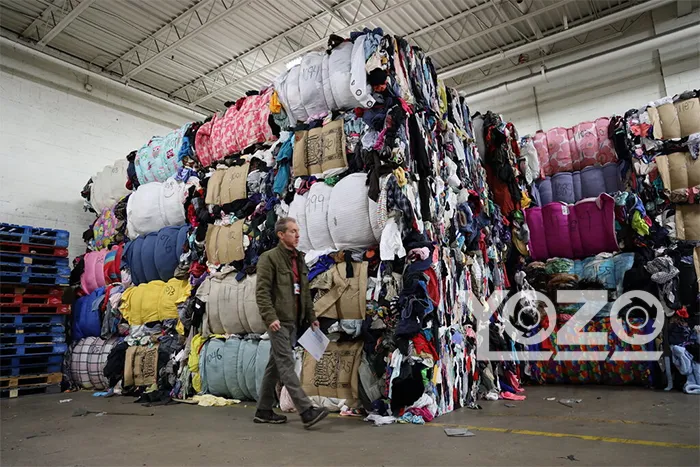
What Types of Textile and Garment Waste Can Be Shredded?
Before selecting a machine, identify the main materials in your waste stream.
Garment factory waste: Fabric offcuts, rejected clothing, and production scraps.
Used clothing: Discarded shirts, trousers, jackets, and other garments.
Synthetic textiles: Polyester, nylon, and blended fabrics.
Bulky textile products: Upholstery fabrics, carpets, and selected nonwoven materials.
Some materials may contain zippers, buttons, metal accessories, or other contaminants. These should be assessed and removed where necessary to protect the equipment and improve downstream processing.
What Is the Best Shredder for Textile Waste?
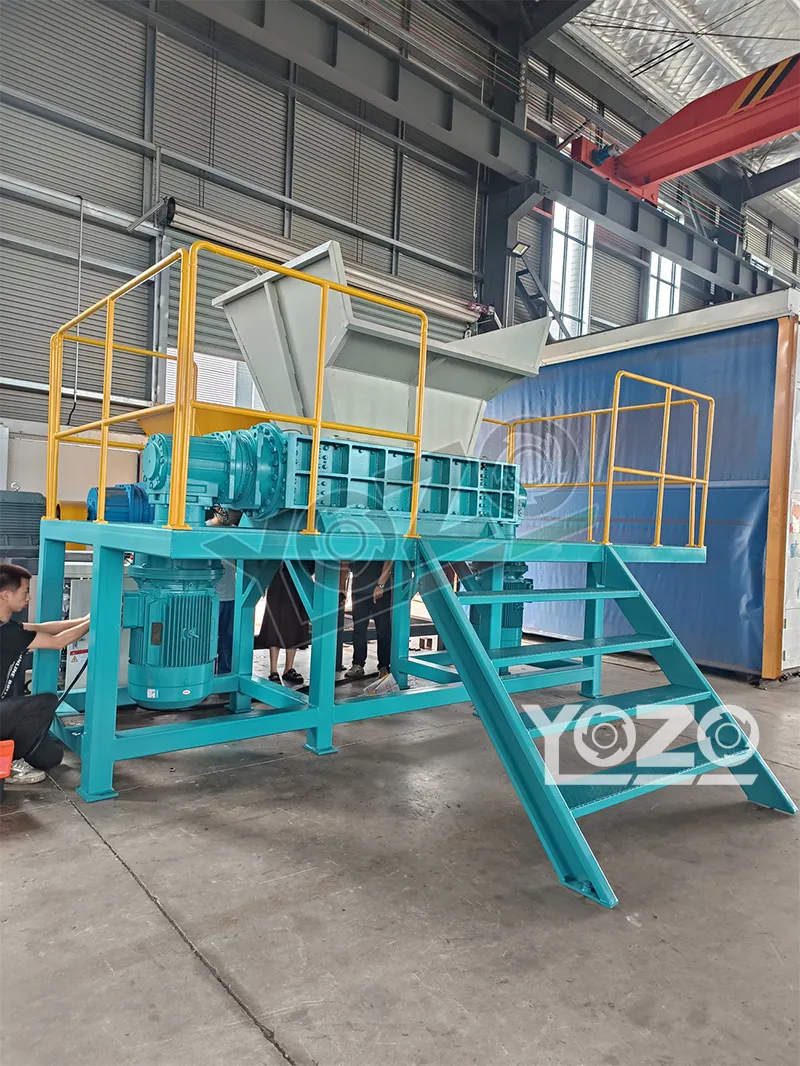
For bulky garments, mixed textile waste, and fabric bundles, an industrial double shaft shredder can be a suitable choice for primary size reduction.
Its two counter-rotating shafts use cutting tools to grip, tear, and shear materials into smaller pieces. This makes the design useful for many irregular waste streams that are difficult to process with conventional cutting equipment.
However, no single shredder is best for every textile application.
| Shredder Type | Suitable Applications | Key Considerations |
|---|---|---|
| Double shaft shredder | Bulky clothing, mixed textiles, fabric bundles | Strong material-grabbing action; output may be irregular |
| Single shaft shredder | Suitable textile scraps requiring controlled size reduction | Configuration and screen design affect output |
| Fabric cutting machine | Textile production offcuts and specific cutting tasks | Better suited to defined cutting requirements than mixed bulky waste |
The final choice should be based on real material tests and the requirements of the recycling process.
Key Factors When Choosing a Textile Waste Shredder
1. Material Characteristics
Cotton, polyester, nylon, blended fabrics, and carpets behave differently during shredding. Long, flexible, or elastic materials may wrap around rotating components, so cutting-tool design and feeding conditions are important.
2. Processing Capacity
Estimate the amount of textile waste generated per hour or per day. The machine should meet the required throughput without creating feeding bottlenecks or excessive downtime.
3. Required Output Size
If the shredded material will be used for fiber recovery, secondary shredding or fiber-opening equipment may be necessary. For other applications, a coarser output may be sufficient.
4. Maintenance and Safety
Check cutting-tool durability, cleaning access, overload protection, emergency stops, and the availability of replacement parts. Textile fibers can accumulate around moving components, making suitable maintenance procedures essential.
How Does a Textile Shredder Improve Recycling Efficiency?
A properly selected shredder can help textile recycling facilities in several ways:
Reduce bulky waste: Makes garments and fabric scraps easier to store and transport.
Improve feeding: Prepares irregular materials for conveyors and downstream equipment.
Support material recovery: Creates feedstock for sorting, fiber opening, and other recycling processes.
Improve process integration: Connects primary size reduction with subsequent material handling and recycling stages.
Shredding is generally a preparation step. Producing reusable fibers or new textile products requires additional processes suited to the material composition and recycling method.
Why Choose YOZO Machinery?
YOZO Machinery provides industrial shredding solutions for waste size reduction and recycling applications. For textile and garment waste projects, machine selection should consider material composition, required throughput, target output size, and downstream processing requirements.
A suitably configured double shaft shredder may be a practical solution for primary shredding of bulky garments and mixed textile waste.
Learn more about industrial shredding solutions at YOZO Machinery.
Conclusion
The best shredder for textile and garment waste depends on the materials being processed and the intended recycling application. For bulky clothing, fabric bundles, and suitable mixed textiles, a double shaft shredder is often worth considering for primary size reduction.
Before purchasing equipment, evaluate material characteristics, capacity, output requirements, and maintenance needs. Selecting the right machine can help improve textile waste handling and create a more efficient recycling process.