
Textile waste is becoming a growing concern for clothing manufacturers, retailers, recycling companies, and waste management facilities. Fast fashion, increasing clothing consumption, and large-scale textile production generate substantial amounts of discarded garments and fabric scraps.
Textile waste recycling helps reduce waste disposal, recover useful materials, and support more efficient resource utilization. As businesses look for practical ways to manage textile waste, effective sorting, shredding, and recycling solutions are becoming increasingly important.
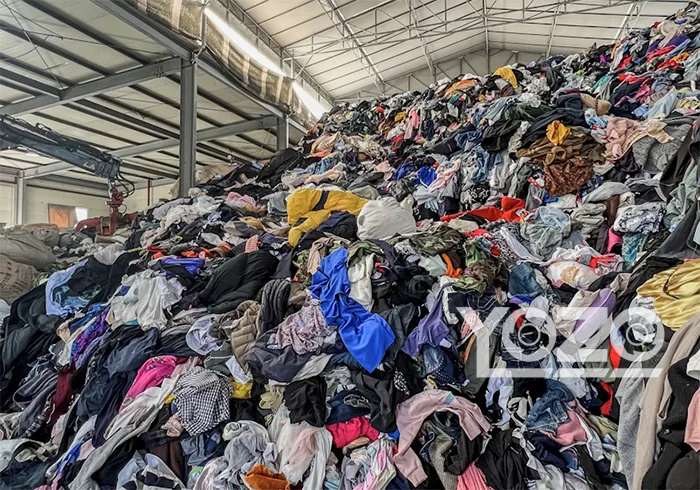
1. Growing Textile Waste Volumes
Textile waste comes from many sources, including garment factories, textile mills, retail returns, used clothing collection, and household disposal.
Common waste materials include:
Fabric scraps and cutting-room offcuts
Rejected garments and unsold clothing
Used shirts, trousers, jackets, and uniforms
Upholstery fabrics, carpets, and other textile products
Without proper collection and processing, these materials may occupy valuable storage space or end up in landfills or incineration facilities. Recycling provides an alternative for suitable textile waste streams.
2. Recovering Valuable Textile Materials
Many discarded textiles still contain useful fibers and materials. Depending on their composition and condition, they may be suitable for fiber recovery, industrial wiping products, insulation, nonwoven materials, or other secondary applications.
Different materials require different recycling methods. Cotton and wool may be processed through fiber recovery systems, while polyester and other synthetic textiles may be suitable for mechanical or specialized chemical recycling. Blended fabrics can be more challenging because separating their fibers may require additional technology.
Effective waste sorting is therefore essential for improving material recovery.
3. Reducing Environmental Impact
Textile recycling can help reduce the amount of material sent to landfill and lower demand for virgin raw materials when recovered materials successfully replace new resources.
It may also help reduce some environmental impacts associated with textile production. However, the actual benefits depend on factors such as collection efficiency, contamination, processing energy, transportation, and the quality of recovered materials.
Recycling is most effective when combined with better product design, longer product use, repair, and reuse.
4. Meeting Sustainability and Business Requirements
Manufacturers, brands, and retailers face increasing pressure to improve waste management and demonstrate more responsible resource use.
A structured textile recycling system can help businesses:
Manage production scraps more efficiently
Reduce waste handling and disposal requirements
Recover materials with potential commercial value
Improve traceability of textile waste streams
Support company sustainability objectives
For industrial facilities, improving waste processing can also create opportunities to streamline internal material handling and reduce unnecessary storage.
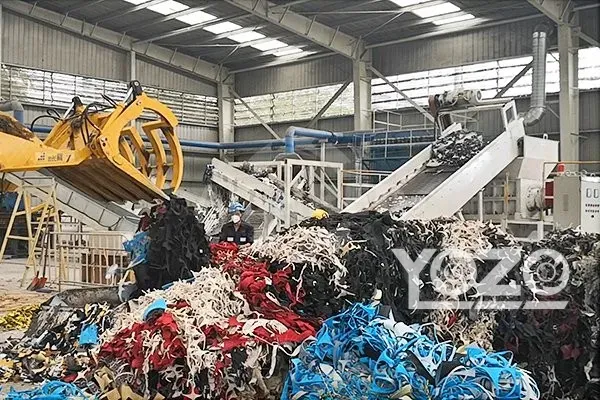
5. How Does Shredding Improve Textile Waste Recycling?
Textile waste often contains bulky garments, tangled fabric strips, and irregular materials that are difficult to handle directly. A textile waste shredder reduces these materials into smaller pieces, preparing them for subsequent processing.
A typical textile recycling process may include:
Collection and sorting: Separate reusable clothing and identify material types.
Pre-treatment: Remove unsuitable contaminants, such as large metal components.
Shredding: Reduce suitable textile waste into smaller, manageable pieces.
Further processing: Use fiber-opening, screening, or separation equipment as required.
Material recovery: Process the prepared material into recovered fibers or other secondary products.
For bulky garments and mixed textile waste, a double shaft shredder may be suitable for primary size reduction. Its counter-rotating shafts help grip and tear suitable materials. Machine configuration should account for long fibers, elastic fabrics, and potential wrapping around rotating components.
Shredding is only one stage of recycling. Additional processing is usually needed to recover usable fibers or manufacture new products.
6. Choosing the Right Textile Recycling Equipment
Selecting suitable equipment depends on the characteristics of the waste stream and the intended end product.
Consider these factors before choosing a textile waste shredder:
Material composition: Cotton, polyester, blended fabrics, and carpets behave differently during processing.
Processing capacity: Match machine capacity to the actual volume of waste generated.
Output size: Determine the size required by downstream sorting or fiber recovery equipment.
Contamination: Assess zippers, buttons, metal parts, and other foreign materials.
System integration: Consider conveyors, sorting systems, and fiber-opening equipment as part of the complete recycling line.
Testing representative materials before equipment selection can help confirm processing suitability and identify potential operating challenges.
Why Choose YOZO Machinery?
YOZO Machinery provides industrial shredding solutions for waste size reduction and recycling applications. For textile waste projects, the appropriate equipment depends on material type, processing capacity, target output size, and downstream recycling requirements.
A properly configured shredder can help recycling facilities prepare bulky textile waste for further processing and build a more organized material recovery system.
Explore industrial shredding solutions at YOZO Machinery.
Conclusion
Textile waste recycling is becoming more important as textile consumption grows and businesses seek better ways to manage discarded materials. Recycling can help recover useful resources, reduce disposal volumes, and support more responsible production and waste management.
With effective sorting, suitable shredding equipment, and appropriate downstream processing, businesses can turn certain textile waste streams into valuable secondary materials while improving overall recycling efficiency.