
Jumbo bags, woven bags, and PP sacks are widely used in industries such as chemicals, agriculture, cement, fertilizer, feed, and logistics. However, recycling these flexible materials can be challenging because they are lightweight, tough, and prone to winding around shafts and cutters.
Many recycling companies ask the same question: Should you choose a double shaft shredder or a single shaft shredder for woven bag recycling?
The right machine can significantly improve shredding efficiency, reduce downtime, and lower operating costs. In this article, we compare both shredding solutions to help you select the best equipment for your recycling line.
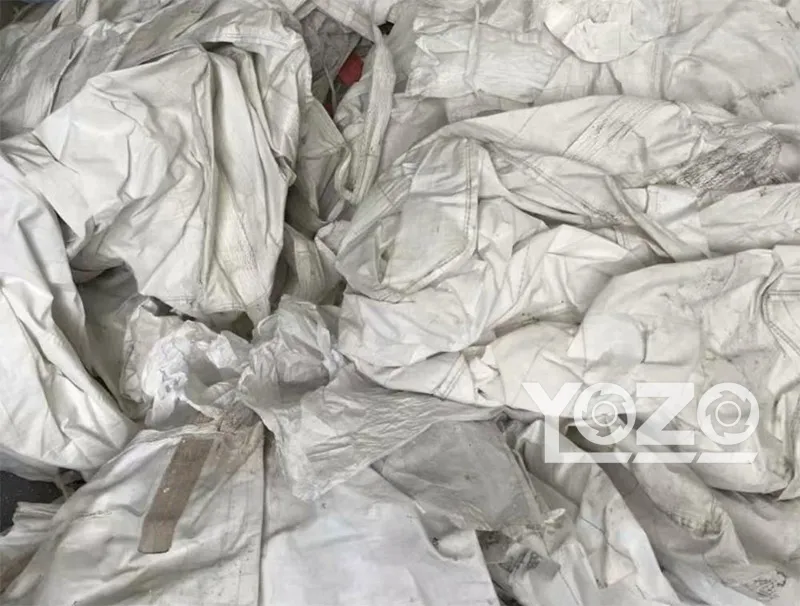
Why Are Jumbo Bags and Woven Bags Difficult to Shred?
Unlike rigid plastics, woven bags and ton bags are soft and flexible. Common challenges include:
Material wrapping around the rotor
Cutter clogging
Uneven feeding
Low shredding efficiency
High wear caused by contaminated materials
Large material volume with low density
Materials commonly processed include:
PP woven bags
Ton bags / jumbo bags
Fertilizer bags
Cement bags
Feed bags
Snake skin bags
Plastic raffia bags
Bulk packaging bags
Because of these characteristics, selecting the correct shredder design is extremely important.
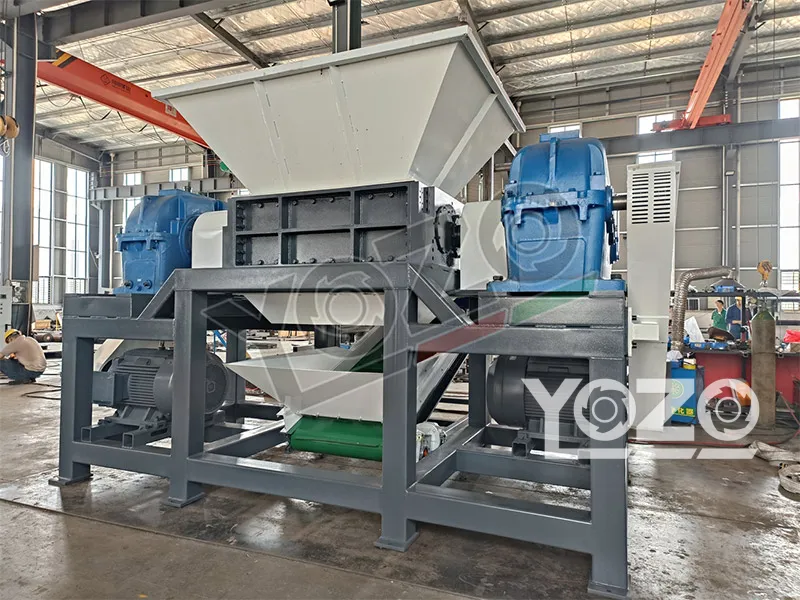
What Is a Double Shaft Shredder?
A double shaft shredder uses two rotating shafts equipped with heavy-duty blades that tear and shear materials into smaller pieces.
Main Features
High torque and low-speed operation
Strong tearing force
Automatic feeding capability
Suitable for bulky and tangled materials
Stable operation for continuous shredding
Advantages for Woven Bag Recycling
1. Better Handling of Tangled Materials
Double shaft shredders can easily grab and pull flexible bags into the cutting chamber, reducing material blockage.
2. Higher Processing Capacity
For large-volume recycling plants, double shaft shredders usually provide higher throughput than single shaft models.
3. Lower Feeding Requirements
Operators can directly feed compressed woven bags or jumbo bags without precise sizing.
4. Suitable for Dirty Materials
They can handle contaminated bags containing sand, dust, or residual materials more effectively.
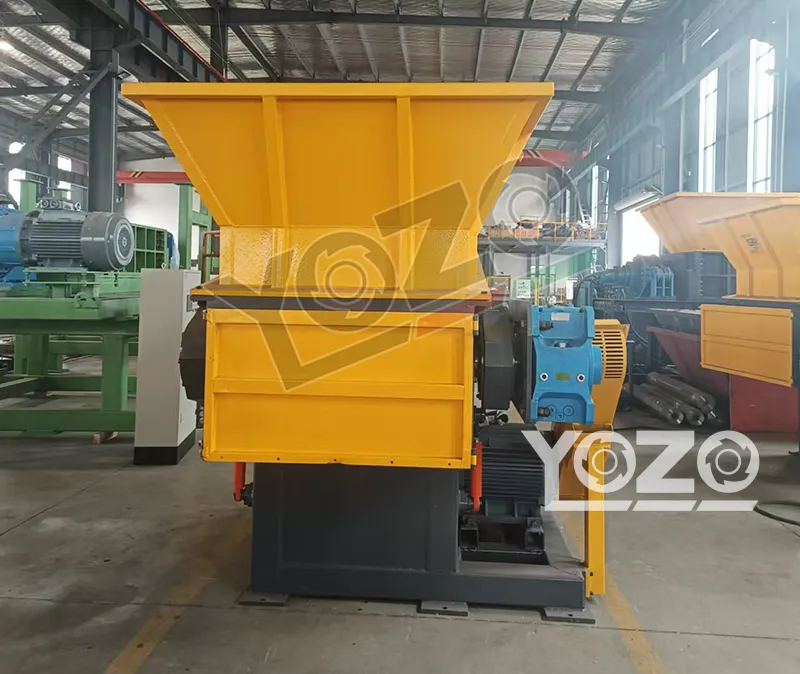
What Is a Single Shaft Shredder?
A single shaft shredder uses one rotor combined with a hydraulic pusher and stationary knife to cut materials into uniform sizes.
Main Features
Precise particle size control
Screen-controlled output size
Lower noise
More uniform final material
Suitable for secondary shredding
Advantages for PP Bag Recycling
1. More Uniform Output Size
Single shaft shredders produce smaller and more consistent flakes, which are ideal for washing and pelletizing lines.
2. Better for Clean Plastic Recycling
If the woven bags are relatively clean and sorted, a single shaft shredder can provide excellent size reduction quality.
3. Lower Dust Generation
Compared with aggressive tearing systems, single shaft shredders may generate less flying material.
Double Shaft vs Single Shaft: Which One Is Better?
| Item | Double Shaft Shredder | Single Shaft Shredder |
|---|---|---|
| Feeding Capacity | Excellent | Good |
| Handling Flexible Materials | Excellent | Moderate |
| Output Uniformity | Moderate | Excellent |
| Throughput | High | Medium |
| Maintenance | Simple | Moderate |
| Anti-Wrapping Ability | Strong | Moderate |
| Suitable for Dirty Materials | Yes | Limited |
| Secondary Size Reduction | Usually Needed | Often Not Needed |
Which Machine Should You Choose?
Choose a Double Shaft Shredder If:
You process large quantities of jumbo bags
Materials are heavily tangled
The bags contain impurities
You need high-capacity continuous operation
Your priority is primary shredding efficiency
Choose a Single Shaft Shredder If:
You require uniform output size
Materials are relatively clean
The shredded material goes directly to granulation
You need finer size reduction
Can You Use Both Machines Together?
Yes. Many advanced recycling plants use a two-stage shredding system:
Double shaft shredder for primary tearing
Single shaft shredder for secondary size reduction
This combination improves efficiency while producing high-quality plastic flakes for pelletizing.
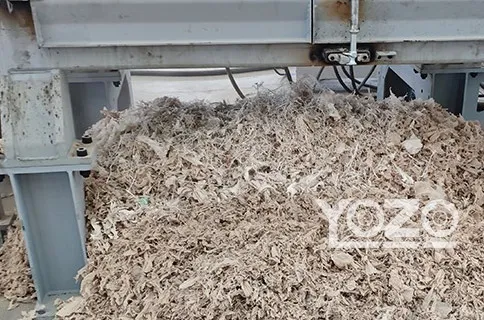
How to Double the Shredding Efficiency?
To improve woven bag recycling performance, consider the following:
Optimize Blade Design
Different cutter structures affect tearing efficiency and anti-wrapping performance.
Use Intelligent Feeding Systems
Conveyors and hydraulic feeding systems help maintain stable material flow.
Match Motor Power Properly
Insufficient power reduces throughput and increases shaft blockage.
Regular Maintenance
Keeping blades sharp significantly improves shredding performance.
Select the Correct Machine Configuration
The right shredder model depends on:
Material type
Moisture level
Bag thickness
Processing capacity
Final output requirements
Conclusion
Both double shaft and single shaft shredders have advantages in woven bag recycling applications. However, for most jumbo bag, woven bag, and PP sack recycling projects, double shaft shredders are usually the preferred choice for primary shredding because of their strong tearing force and excellent handling of flexible materials.
If you require smaller and more uniform output sizes, a single shaft shredder can be added as a secondary processing stage.
Choosing the right shredding solution can greatly improve recycling efficiency, reduce downtime, and increase the profitability of your plastic recycling operation.
For customized woven bag shredding solutions, YOZO Machinery provides industrial shredders designed for flexible plastic waste recycling applications.