
Plastic waste is one of the most widely generated waste streams in the world. Materials such as polypropylene (PP), polyethylene (PE), and polyethylene terephthalate (PET) are used in packaging, containers, pipes, films, household products, and industrial applications.
Although these plastics can be recycled, their different shapes, thicknesses, and material properties create challenges for waste-processing plants. Choosing the right plastic shredder is therefore an important step in building an efficient plastic recycling system.
For many primary plastic waste applications, a heavy-duty shredder—especially a suitable double shaft shredder—can reduce bulky plastic waste into smaller pieces for sorting, washing, granulation, or further processing.
However, the best plastic shredder depends on the type of plastic, feedstock size, required capacity, and final product.
What Are PP, PE, and PET Plastics?
Before selecting a plastic shredder, it is important to understand the characteristics of the materials being processed.
PP Waste
Polypropylene is commonly used in:
Plastic crates
Automotive parts
Household containers
Packaging products
Woven bags
Plastic furniture
Industrial components
PP waste can be rigid, semi-rigid, or produced in the form of woven material and packaging.
PE Waste
Polyethylene is widely used in:
Plastic films
Shopping bags
Agricultural film
Plastic drums
Bottles
Pipes
Containers
Industrial packaging
PE waste may include soft films as well as thick and rigid plastic products. These different forms can require different shredding configurations.
PET Waste
PET is commonly used for:
Beverage bottles
Food containers
Packaging trays
Polyester-related products
Certain industrial packaging materials
PET bottles are often processed through sorting, shredding, washing, drying, and flake production.
Because PP, PE, and PET have different properties, a recycling plant should select equipment according to the actual feedstock rather than relying only on the general term “plastic waste.”
Why Is Plastic Shredding Important?
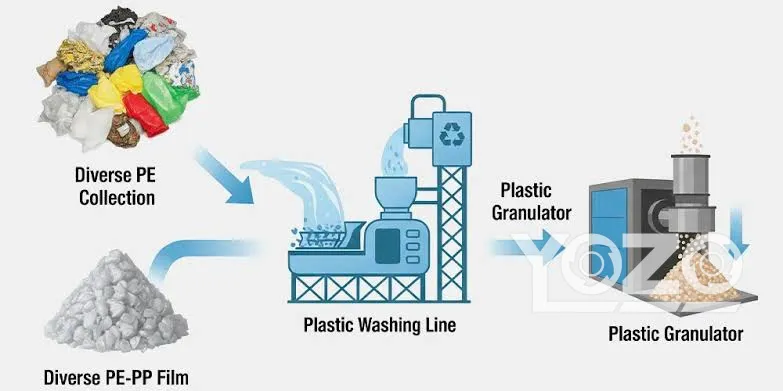
Plastic shredding is usually the first major size-reduction stage in a recycling line.
Whole plastic products can be too large or irregular for washing machines, granulators, or other downstream equipment. A plastic shredder reduces them into smaller and more manageable pieces.
The main benefits include:
Reducing plastic waste volume
Improving material handling
Preparing plastics for washing
Creating a more consistent feedstock
Supporting downstream granulation
Improving storage and transportation efficiency
Helping separate plastics from other materials
Shredding also makes it easier to process bulky products such as crates, drums, containers, pipes, and plastic packaging.
What Is the Best Shredder for PP Waste?
The best shredder for PP depends on the form and size of the waste.
For rigid PP products such as crates, containers, plastic furniture, and industrial components, a heavy-duty industrial shredder can provide the required tearing and size-reduction force.
A double shaft shredder may be suitable for bulky PP waste because it uses two counter-rotating shafts to grab and tear the material.
For smaller and cleaner PP products that require uniform flakes, a granulator may be used after primary shredding.
A typical processing flow may include:
PP Waste → Primary Shredding → Sorting or Washing → Granulation → Recycled PP Flakes
The correct machine depends on the desired output size and whether the waste requires washing or contamination removal.
What Is the Best Shredder for PE Waste?
PE waste can include both soft and flexible materials and thick rigid products.
Rigid PE Waste
Rigid PE products such as drums, containers, pipes, and tanks may require a high-torque shredder for primary size reduction.
A double shaft shredder can be useful when the feedstock is large, bulky, or mixed.
PE Film and Soft Plastic
PE film, agricultural film, and plastic bags behave differently from rigid plastic. These materials can wrap around shafts or cutting tools if the machine is not designed for flexible waste.
For soft PE film, the recycling plant may require specialized film-processing equipment, controlled feeding, and an appropriate cutting configuration.
A double shaft shredder may be used in some applications, but the machine should be evaluated carefully based on:
Film thickness
Moisture content
Contamination
Required capacity
Risk of wrapping
Desired output size
For difficult film waste, a purpose-designed film shredder or other suitable size-reduction machine may be more appropriate.
What Is the Best Shredder for PET Waste?
PET waste is commonly found in the form of bottles, containers, and packaging.
A PET recycling line may include:
Bottle sorting
Label and cap removal
Primary size reduction
Washing
Drying
Flake production
Screening and packaging
A shredder can reduce PET bottles into smaller pieces before washing and further processing.
For clean and relatively uniform PET bottles, a granulator may be suitable for producing consistent flakes. For mixed, bulky, or contaminated PET waste, a primary shredder may be useful before granulation.
The best equipment depends on whether the plant is processing:
Whole PET bottles
Compressed bottle bales
Mixed plastic containers
PET packaging waste
Post-consumer plastic waste
Why Use a Double Shaft Shredder for Plastic Recycling?
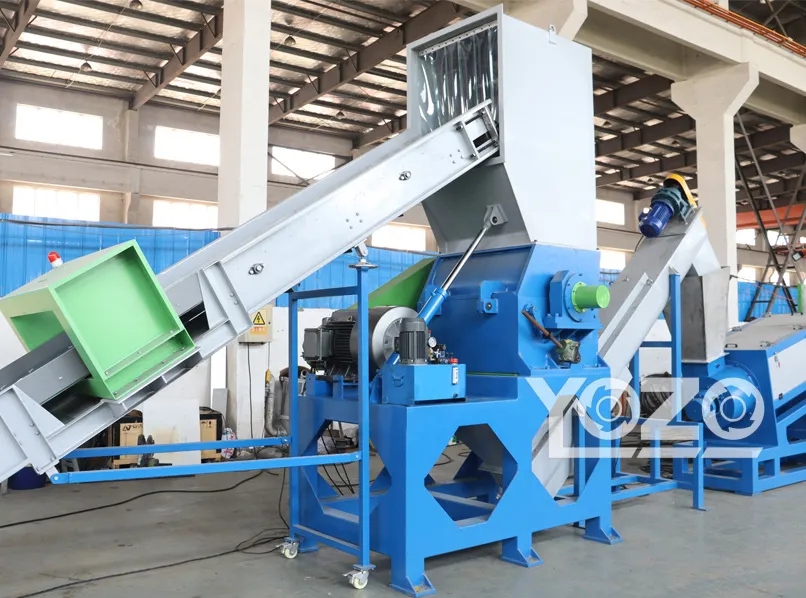
A double shaft shredder is often used for primary plastic waste processing because of its high torque and strong tearing action.
The machine uses two counter-rotating shafts fitted with cutting tools. These shafts grab the material and pull it into the shredding chamber.
Potential advantages include:
High Torque
High torque helps process thick and bulky plastic products that may be difficult to reduce with lighter equipment.
Bulky Waste Handling
The machine can be suitable for large plastic items such as crates, drums, containers, pipes, and plastic furniture.
Reduced Material Volume
Shredding makes plastic waste easier to store, transport, and feed into downstream equipment.
Continuous Processing
An industrial shredder can be integrated into a continuous recycling line with conveyors, screens, washing systems, and granulators.
Flexible System Integration
The shredder can be used as a primary size-reduction machine before sorting, washing, granulation, or other processing stages.
However, a double shaft shredder is not automatically the best solution for every plastic application. Soft film, clean bottle flakes, and high-purity production may require different equipment.
Plastic Shredder vs. Plastic Granulator
A plastic shredder and a plastic granulator serve different purposes.
| Equipment | Main Function | Typical Applications |
|---|---|---|
| Plastic Shredder | Primary size reduction | Bulky, mixed, thick, or irregular plastic waste |
| Plastic Granulator | Produces smaller and more uniform flakes | Clean plastic products and pre-shredded materials |
| Plastic Washing System | Removes dirt and contaminants | Post-consumer and industrial plastic waste |
| Plastic Dryer | Removes moisture | Washed plastic flakes |
| Extruder | Melts and processes recycled plastic | Pellet production and material reuse |
In many recycling plants, the shredder and granulator work together rather than replacing one another.
How to Choose the Right Plastic Shredder?
Several factors should be considered before purchasing a plastic shredder.
1. Plastic Type
Identify whether the feedstock is PP, PE, PET, or a mixture of different plastics.
2. Material Shape
Determine whether the waste consists of films, bottles, crates, pipes, drums, containers, or bulky products.
3. Required Capacity
The machine should be selected according to the required tons-per-hour output and operating schedule.
4. Desired Output Size
Primary shredding usually produces larger pieces, while granulation and further processing are used for smaller and more uniform flakes.
5. Contamination Level
Plastic waste containing soil, metal, labels, food residue, or other contaminants may require additional sorting and washing equipment.
6. Downstream Processing
The shredder should match the requirements of the washing system, granulator, extruder, or other equipment that follows.
7. Maintenance and Wear Parts
Plastic waste can contain abrasive contaminants or embedded metal. Consider access to cutting tools, maintenance requirements, and wear-part replacement.
Recommended Equipment Configuration
Different plastic waste streams may require different recycling line designs.
For Bulky PP and PE Waste
Feeding System → Double Shaft Shredder → Sorting → Granulation or Further Processing
For PET Bottle Recycling
Sorting → Bottle Shredder or Granulator → Washing → Drying → Screening → PET Flakes
For Mixed Plastic Waste
Feeding → Primary Shredder → Sorting → Washing → Secondary Size Reduction → Granulation
The final configuration should be based on the material properties and the required recycled product.
Why Choose YOZO Machinery?
YOZO Machinery provides industrial shredding solutions for demanding waste-processing applications, including plastic waste recycling.
A YOZO double shaft shredder can be used for primary processing of bulky and difficult plastic materials such as:
PP crates
PE containers
Plastic drums
Plastic pipes
Industrial plastic waste
Mixed rigid plastic products
The shredder can be integrated with conveyors, sorting systems, washing equipment, granulators, and other downstream machinery.
For PP, PE, and PET recycling projects, YOZO Machinery can help customers evaluate the appropriate primary shredding configuration according to the plastic type, feedstock size, required capacity, and final output requirements.
For soft PE film or clean PET bottle flake production, additional specialized equipment may be required. The complete line should therefore be designed around the actual recycling process.
Conclusion
The best plastic shredder for recycling PP, PE, and PET waste depends on the material type, feedstock shape, processing capacity, output size, and downstream recycling requirements.
A heavy-duty double shaft shredder is often a practical choice for primary processing of bulky PP and PE waste, including crates, drums, containers, pipes, and mixed rigid plastics.
PET bottles and soft PE films may require different or additional equipment, such as granulators, film shredders, washing systems, and drying machines.
By selecting the right combination of equipment, recycling companies can reduce plastic waste volume, improve material handling, and prepare PP, PE, and PET waste for further recycling.
With its industrial shredding solutions, YOZO Machinery can support plastic recycling projects with reliable primary size-reduction equipment for a wide range of demanding plastic waste applications.