
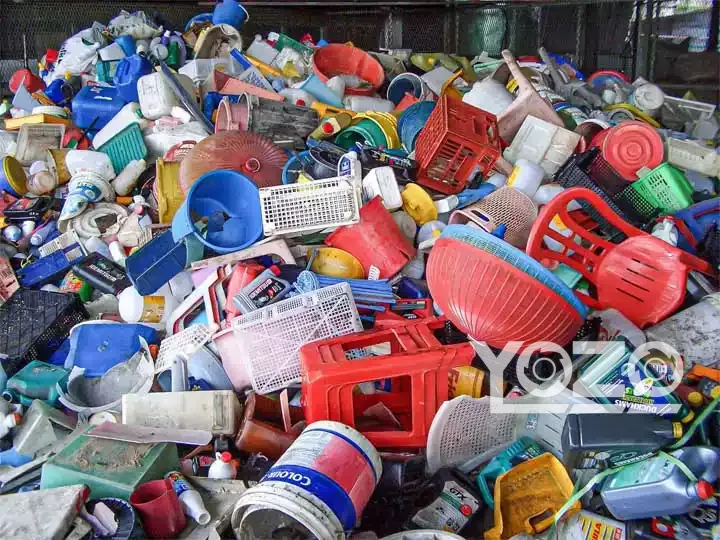
Plastic recycling plants process large quantities of waste materials every day, including plastic containers, crates, drums, pipes, packaging, films, and other discarded plastic products. Before these materials can be washed, sorted, granulated, or reused, they often need to be reduced to a manageable size.
This is where an industrial plastic shredder plays an important role.
By reducing bulky and irregular plastic waste into smaller pieces, an industrial shredder improves material handling, prepares plastics for downstream processing, and helps recycling plants maintain a more stable production flow.
What Is an Industrial Plastic Shredder?
An industrial plastic shredder is a heavy-duty size-reduction machine designed to process different types of plastic waste.
Depending on the machine configuration, it can process materials such as:
PP plastic crates
PE containers and drums
Plastic pipes
Plastic packaging
Plastic furniture
Agricultural plastic waste
Industrial plastic scrap
Mixed rigid plastic waste
Unlike small plastic granulators designed primarily for relatively uniform materials, industrial shredders are often used for larger, bulkier, or irregular waste.
A double shaft shredder is one common configuration for primary plastic waste processing. Two counter-rotating shafts equipped with cutting tools grab and tear the material into smaller pieces.
Why Is Plastic Shredding Important for Recycling Plants?
Plastic waste does not always arrive at a recycling facility in a convenient form.
A recycling plant may receive large containers, compressed bales, bulky products, long pipes, or mixed plastic items. Feeding these materials directly into downstream equipment can be difficult.
Industrial shredding solves this problem by creating a more manageable feedstock.
The main benefits include:
Reduced material size
Lower storage volume
Easier transportation
More stable feeding
Better preparation for sorting
Improved washing efficiency
Preparation for granulation and further processing
For this reason, shredding is often an important first step in a plastic recycling line.
1. Industrial Shredders Handle Bulky Plastic Waste
One of the biggest advantages of an industrial plastic shredder is its ability to process large and irregular materials.
For example, a recycling plant may receive:
Large PP crates
PE drums
Plastic pallets
Large containers
Plastic pipes
Automotive plastic components
Bulky household plastic products
These materials may be too large to enter a granulator efficiently.
A high-torque shredder can first reduce them into smaller pieces, allowing subsequent equipment to process the material more effectively.
2. Shredding Reduces Plastic Waste Volume
Plastic products can occupy significant storage space before processing.
Shredding changes the size and shape of the waste, allowing more material to be stored in a given area.
This can improve:
Warehouse utilization
Temporary waste storage
Truck loading efficiency
Conveyor transportation
Material feeding
For recycling plants handling large quantities of plastic every day, efficient volume reduction can make material management much easier.
3. Shredders Prepare Plastics for Washing
Many post-consumer plastics contain dirt, labels, food residue, soil, or other contaminants.
Reducing the plastic into smaller pieces can increase the exposed surface area and help subsequent washing equipment work more effectively.
A typical recycling process may be:
Plastic Waste → Primary Shredding → Sorting → Washing → Drying → Granulation
The exact sequence varies depending on the material.
For example, some plastic waste may require sorting before shredding, while other materials can be shredded first and sorted afterward.
4. Shredding Creates a More Consistent Feedstock
Downstream equipment generally performs better when the incoming material is within an appropriate size range.
An industrial shredder helps transform irregular plastic products into a more manageable feedstock.
This can make it easier to operate:
Conveyors
Washing systems
Screens
Granulators
Magnetic separators
Air separation systems
Extrusion equipment
The shredder therefore acts as a bridge between incoming waste and the rest of the recycling line.
5. Industrial Shredders Support Different Plastic Types
Modern recycling plants may process several different types of plastic.
Common materials include:
PP Plastic
PP is widely used for crates, containers, automotive components, woven bags, and household products.
Rigid PP waste can often be processed through industrial shredding before granulation or other recycling stages.
PE Plastic
PE waste includes containers, drums, pipes, packaging, and films.
Rigid PE products can be suitable for high-torque shredding, while flexible PE films may require specialized feeding and shredding configurations.
PET Plastic
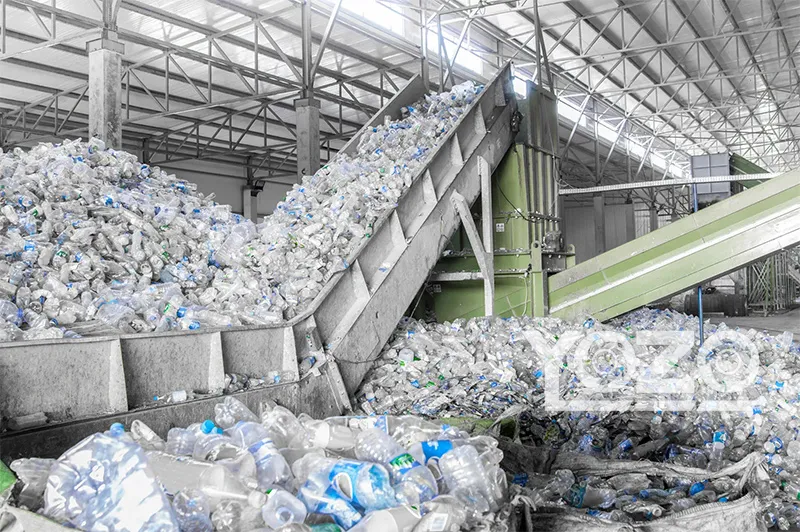
PET is commonly found in bottles and packaging.
PET recycling often uses sorting, shredding or granulation, washing, drying, and flake processing equipment.
The appropriate shredder depends on the specific PET feedstock and the required final product.
6. Double Shaft Shredders Provide High Torque
A double shaft shredder can be particularly useful for bulky plastic waste because it operates with two counter-rotating shafts.
The cutting tools grab the plastic and pull it into the shredding chamber, where it is torn and sheared.
This operating principle provides several advantages for primary plastic waste processing:
High torque
Strong grabbing action
Good handling of bulky materials
Continuous processing
Reduced need for manual pre-cutting
Easy integration into automated recycling lines
For difficult rigid plastics, these characteristics can make a double shaft shredder a practical primary size-reduction solution.
7. Shredding Improves Downstream Granulation
Granulators are commonly used to produce smaller and more uniform plastic flakes.
However, feeding large or irregular products directly into a granulator may not be efficient.
An industrial shredder can reduce the material first.
For example:
Large Plastic Products → Industrial Shredder → Plastic Granulator → Plastic Flakes
The primary shredder handles the bulky material, while the granulator performs finer size reduction.
Using different machines for different stages allows each piece of equipment to perform the task it is designed for.
8. Industrial Shredders Can Be Integrated into Complete Recycling Lines
A modern plastic recycling plant usually contains multiple processing stages.
Depending on the material, a complete line may include:
Feeding system
Primary plastic shredder
Sorting system
Magnetic or metal separation
Washing system
Dewatering or drying equipment
Secondary shredder or granulator
Screening system
Extrusion and pelletizing equipment
Final product collection
The industrial shredder can serve as the primary size-reduction stage and connect the incoming waste stream with downstream processing equipment.
What Types of Plastic Recycling Need Industrial Shredders?
Industrial plastic shredders can be useful in several applications.
Post-Consumer Plastic Recycling
Mixed household and commercial plastic waste often contains irregular and bulky products that require primary size reduction.
Industrial Plastic Recycling
Manufacturing facilities may generate plastic scrap, rejected products, containers, pipes, and other production waste.
Agricultural Plastic Recycling
Agricultural films, irrigation components, containers, and other plastic waste may require specialized processing depending on their size and flexibility.
Packaging Waste Recycling
Plastic packaging can include containers, drums, bags, and other products that may need shredding before further processing.
How to Choose an Industrial Plastic Shredder?
The right machine should be selected according to the actual waste stream.
Material Type
Identify whether the material is PP, PE, PET, PVC, mixed plastic, or another polymer.
Material Shape
Determine whether the waste consists of rigid products, films, bottles, pipes, containers, or bulky items.
Required Capacity
The shredder should be matched to the recycling plant's required throughput.
Target Output Size
Primary shredding generally produces larger pieces. If smaller flakes are required, a granulator or secondary shredder may be needed.
Contamination
Plastic containing metal, dirt, stones, or other contaminants may require additional separation equipment.
Downstream Equipment
The shredder should be compatible with the washing, granulation, screening, or extrusion equipment that follows.
Why Choose YOZO Machinery?
YOZO Machinery provides industrial shredding solutions for demanding waste-processing applications.
For plastic recycling plants, a YOZO double shaft shredder can be used as a primary size-reduction machine for bulky and difficult plastic waste, including PP crates, PE containers, plastic drums, pipes, and other rigid plastic products.
The shredder can be integrated with conveyors, sorting equipment, washing systems, granulators, and other downstream machinery to create a complete recycling process.
YOZO Machinery can help customers evaluate the appropriate shredding configuration based on the type of plastic, feedstock size, required capacity, target output size, and overall recycling process.
For flexible plastic films or clean PET bottles intended for fine flake production, additional specialized equipment may be required. The complete system should therefore be designed around the actual material and final product requirements.
Conclusion
Industrial plastic shredders are essential for many recycling plants because they transform bulky and irregular plastic waste into a more manageable feedstock for subsequent processing.
They can reduce material volume, improve handling, prepare plastics for washing and sorting, and support efficient downstream granulation and recycling.
For many primary plastic waste applications, a high-torque double shaft shredder provides an effective solution for processing large and difficult plastic products.
By combining primary shredding with sorting, washing, granulation, and other processing technologies, recycling plants can build a more efficient plastic recovery system.
With its industrial shredding solutions, YOZO Machinery can provide reliable primary size-reduction equipment for plastic recycling projects involving PP, PE, PET, and other challenging plastic waste streams.