
Wood waste is generated from many sources, including construction sites, demolition projects, furniture factories, sawmills, pallets, packaging, and municipal waste collection. Instead of sending this material to landfills, suitable wood waste can be recovered and processed into biomass fuel for industrial boilers, heating systems, and energy production.
A well-designed wood waste recycling system can reduce disposal costs while turning waste materials into a valuable energy resource.
What Types of Wood Waste Can Be Used for Biomass Fuel?
Not all wood waste has the same characteristics, but many types can be processed into biomass fuel after appropriate sorting and size reduction.
Common feedstocks include:
Waste wood
Wooden pallets
Wood packaging
Furniture waste
Construction wood
Sawmill residues
Tree branches and other woody biomass
Wood containing excessive paint, chemicals, soil, or other contaminants may require additional treatment or may not be suitable for certain biomass applications.
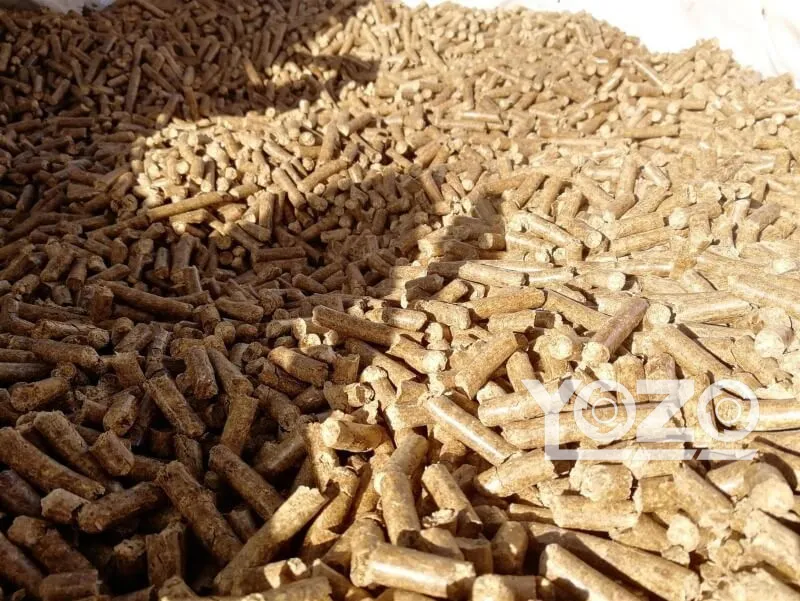
How Is Wood Waste Converted into Biomass Fuel?
The recycling process generally involves several stages, depending on the type and quality of the raw material.
1. Collection and Feeding
Wood waste is collected from recycling centers, construction sites, factories, or other sources and transported to the processing facility.
A feeding conveyor can then deliver the material continuously into the shredding system.
2. Primary Shredding
The first major processing step is size reduction.
A double shaft shredder can process bulky materials such as pallets, furniture, and construction wood into smaller pieces. High torque and strong tearing performance allow the machine to handle irregular wood waste efficiently.
3. Metal Separation
Wood waste from construction and furniture sources may contain nails, screws, hinges, and other metal components.
A magnetic separator can remove ferrous metals after shredding, improving the quality of the processed wood and protecting downstream equipment.
4. Screening
A screening system separates the shredded wood according to size. Oversized pieces can be returned for additional processing, while suitable material moves to the next stage.
5. Drying and Further Processing
Depending on the final biomass fuel requirements, the wood may need to be dried to reduce moisture content.
The material can then be further processed into wood chips or other suitable biomass fuel products.
Why Is Shredding Important?
Shredding plays an important role in preparing wood waste for biomass fuel production.
Reduce Bulky Materials
Large pallets, furniture, and construction wood are difficult to transport and process. Shredding reduces their size and improves material handling.
Improve Feedstock Consistency
More consistent particle sizes help downstream screening, drying, and fuel preparation equipment operate efficiently.
Increase Processing Efficiency
Proper size reduction allows more efficient movement through the recycling line and can improve overall processing capacity.
Recover Contaminants
Once wood waste is shredded, embedded metal components become easier to identify and remove using magnetic separation equipment.
Typical Wood Waste to Biomass Fuel Process
A basic processing line may follow this workflow:
Wood Waste Feeding → Primary Shredding → Magnetic Separation → Screening → Drying → Secondary Processing → Biomass Fuel
The exact process depends on the raw material and the requirements of the final fuel.
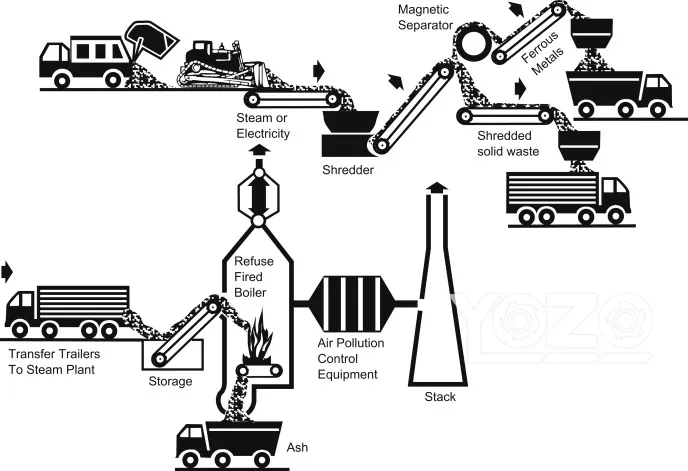
What Can Biomass Fuel Be Used For?
Recycled wood biomass can be used in a variety of energy applications, including:
Industrial boilers
District heating systems
Biomass power plants
Combined heat and power systems
Industrial heating applications
The suitable fuel specification depends on the combustion equipment and local regulations.
Benefits of Recycling Wood Waste into Biomass Fuel
Converting suitable waste wood into biomass fuel offers several advantages:
Reduce landfill disposal
Recover energy from waste materials
Lower waste transportation costs
Improve resource utilization
Reduce dependence on fossil fuels
Support circular economy initiatives
For businesses that generate large quantities of wood waste, recycling can also provide a more efficient alternative to traditional disposal.
How to Choose a Wood Waste Shredder?
The right shredder depends on several factors.
Feedstock Type
Pallets, furniture, branches, and construction wood have different sizes, densities, and contamination levels.
Processing Capacity
The shredder should match the required throughput of the biomass fuel production line.
Output Size
The required size depends on the subsequent screening, drying, and fuel preparation processes.
Contamination
If the feedstock contains nails, screws, plastics, or other materials, the system should include appropriate separation equipment.
Why Choose YOZO Machinery?
As a professional manufacturer of industrial shredding and recycling equipment, YOZO Machinery provides wood waste processing solutions for biomass fuel production.
YOZO Machinery offers:
Heavy-duty double shaft shredders
Wood waste shredding systems
Customized biomass processing solutions
Magnetic separation integration
Wear-resistant blade technology
Complete recycling line solutions
Whether you need to process pallets, furniture waste, construction wood, or other woody biomass, YOZO Machinery can design a suitable shredding system based on your material characteristics, capacity, and final fuel requirements.
Conclusion
Wood waste can be recycled into biomass fuel through a combination of sorting, shredding, metal separation, screening, drying, and further processing. Among these stages, shredding is particularly important because it reduces bulky wood waste and prepares a consistent feedstock for downstream equipment.
With the right processing system, suitable waste wood can be transformed from a disposal problem into a valuable energy resource. YOZO Machinery provides reliable wood shredding and biomass processing solutions to help recycling facilities improve efficiency, reduce landfill waste, and maximize the value of waste wood.