
With the rapid growth of urban populations, the disposal of bulky waste such as old mattresses, sofas, furniture, and large household items has become a major challenge for waste management facilities. Unlike regular household garbage, bulky waste is large, heavy, and often made of multiple materials, making it difficult to transport, sort, and recycle.
A bulky waste shredder provides an efficient solution by reducing large household items into smaller pieces, improving material separation, and preparing recyclable materials for further processing.
What Is Bulky Waste?
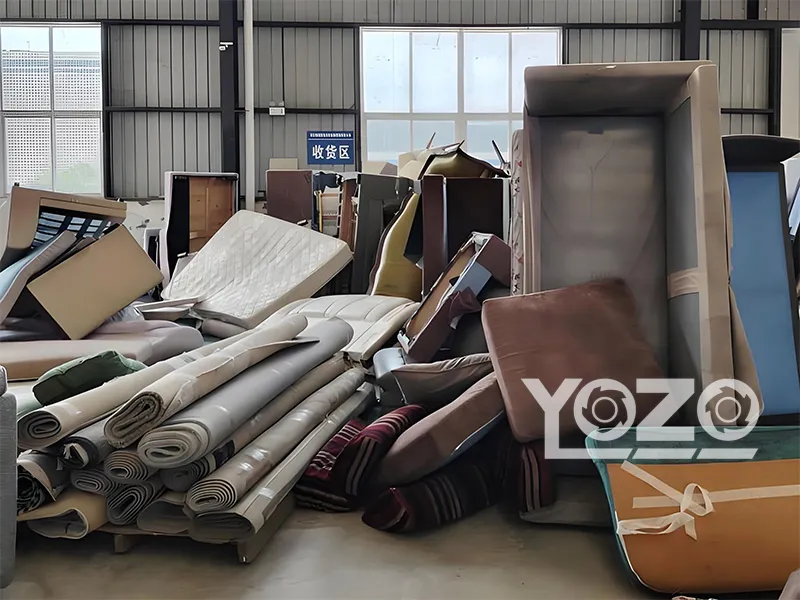
Bulky waste refers to large household items that cannot be handled by traditional waste collection systems.
Common bulky waste includes:
Old mattresses
Sofas and couches
Wooden furniture
Cabinets and tables
Large plastic products
Carpets and textiles
Mixed household items
These materials usually contain a combination of:
Fabric
Foam
Wood
Plastic
Metal springs
Other composite materials
How Does a Bulky Waste Shredder Process Mattresses and Sofas?
1. Feeding Large Waste Materials
Bulky waste items such as mattresses and sofas are loaded onto a conveyor system or directly fed into the shredder.
Because these materials are large and irregular, manual dismantling is often inefficient. A heavy-duty shredder can process them directly, reducing labor requirements.
2. Primary Shredding and Size Reduction
The bulky waste enters the shredding chamber, where powerful rotating shafts and cutting blades tear the materials apart.
During this process:
Mattresses are broken into smaller pieces
Sofa frames are crushed and shredded
Fabrics and foam are separated from structural materials
Metal components are exposed for later recovery
3. Material Separation
After shredding, the processed materials can pass through separation equipment, such as:
Magnetic separators for metal recovery
Screening systems for size classification
Air separators for lightweight materials
This improves the recovery of valuable resources.
4. Recycling and Reuse
The shredded materials can be further processed for different applications:
Recovered metals can be recycled
Wood materials can be reused or processed into fuel
Foam and textile materials can be recycled or used for RDF production
Remaining combustible materials can be converted into alternative fuel
Why Are Bulky Waste Shredders Important?
Reduce Waste Volume
Mattresses and sofas take up significant space during transportation and storage. Shredding reduces their volume and improves handling efficiency.
Improve Recycling Efficiency
Breaking bulky items into smaller pieces makes it easier to separate different materials and recover valuable resources.
Reduce Landfill Pressure
Instead of sending old furniture directly to landfills, shredding allows more materials to be recycled or reused.
Lower Processing Costs
Automated shredding reduces manual labor and improves the efficiency of waste treatment operations.
What Type of Shredder Is Suitable for Bulky Waste?
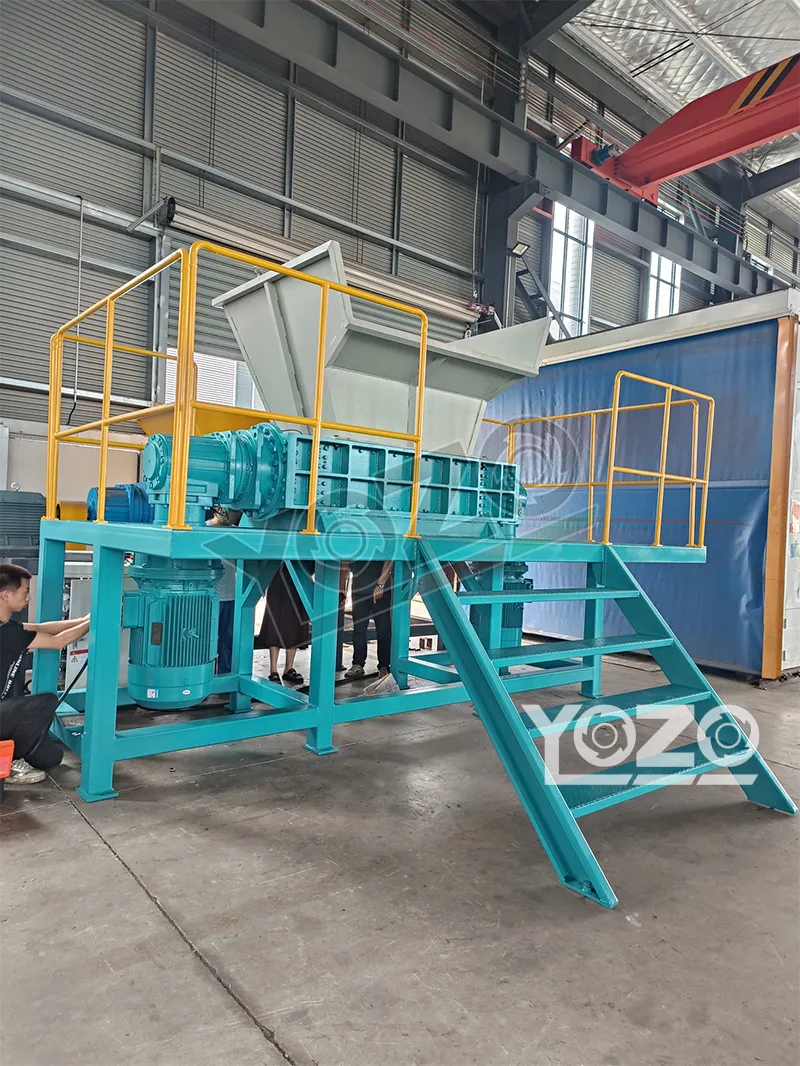
Double Shaft Shredder
A heavy-duty double shaft shredder is commonly used for bulky waste processing because it provides:
High torque shredding power
Strong tearing force
Ability to handle large irregular materials
Stable continuous operation
Reduced risk of material blockage
It is suitable for processing mattresses, sofas, furniture waste, and mixed bulky household waste.
Typical Bulky Waste Recycling Process
A complete bulky waste recycling system may include:
Feeding → Primary Shredding → Magnetic Separation → Screening → Secondary Processing → Material Recovery
The shredder acts as the core equipment by transforming large waste items into recyclable material streams.
How to Choose a Bulky Waste Shredder?
When selecting equipment, consider:
Waste Types
Different bulky waste materials require suitable blade designs and machine configurations.
Processing Capacity
Choose a shredder based on the required tons per hour and daily workload.
Output Requirements
The final particle size depends on whether materials are used for recycling, fuel production, or disposal.
Machine Durability
Bulky waste often contains metal parts and hard materials, so wear-resistant components are essential.
Why Choose YOZO Machinery?
As a professional waste recycling equipment manufacturer, YOZO Machinery provides reliable shredding solutions for bulky waste recycling projects.
YOZO Machinery offers:
Heavy-duty double shaft shredders
Customized bulky waste processing solutions
Wear-resistant blade technology
Stable continuous operation
Complete recycling system solutions
Whether processing mattresses, sofas, furniture waste, or mixed household bulky waste, YOZO Machinery can provide efficient equipment designed for modern waste recycling applications.
Conclusion
A bulky waste shredder efficiently processes mattresses and sofas by reducing large items into smaller pieces, improving material separation, and increasing recycling rates.
With the growing demand for sustainable waste management, bulky waste shredding technology plays an important role in reducing landfill waste and recovering valuable resources. YOZO Machinery provides professional shredding solutions to help recycling facilities improve efficiency and achieve sustainable waste processing goals.