
As more old furniture is replaced in homes, offices, hotels, and commercial buildings, furniture waste has become a growing challenge for recycling facilities. Items such as sofas, wardrobes, tables, chairs, mattresses, and cabinets are often made from a combination of wood, metal, plastic, foam, and fabric, making them difficult to recycle without proper processing.
So, what is the best shredder for furniture waste recycling? For most recycling plants, a heavy-duty double shaft shredder is the ideal choice because it can efficiently process bulky furniture and mixed materials while providing stable, continuous operation.
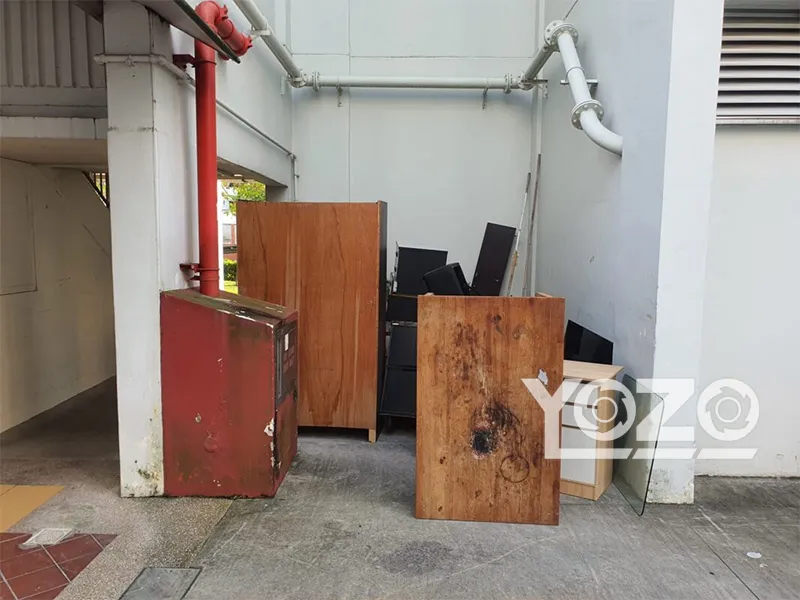
What Is Furniture Waste?
Furniture waste includes discarded household and commercial furniture, such as:
Sofas and couches
Mattresses
Wooden tables
Chairs
Cabinets
Wardrobes
Office furniture
Bed frames
These items often contain multiple materials that need to be separated before recycling.
Why Is Shredding Necessary?
Large furniture occupies significant storage and transportation space. Shredding reduces the size of bulky items and prepares them for further separation and recycling.
The main benefits include:
Reduce transportation costs
Improve material handling
Increase recycling efficiency
Lower landfill disposal
Recover valuable recyclable materials
Why Choose a Double Shaft Shredder?
A double shaft shredder is widely used in furniture recycling plants because of its ability to process large and irregular waste materials.
Its advantages include:
High torque for heavy-duty shredding
Powerful tearing force
Suitable for mixed materials
Low-speed, low-noise operation
Stable continuous performance
Wear-resistant cutting blades
These features make it ideal for shredding furniture without extensive manual dismantling.
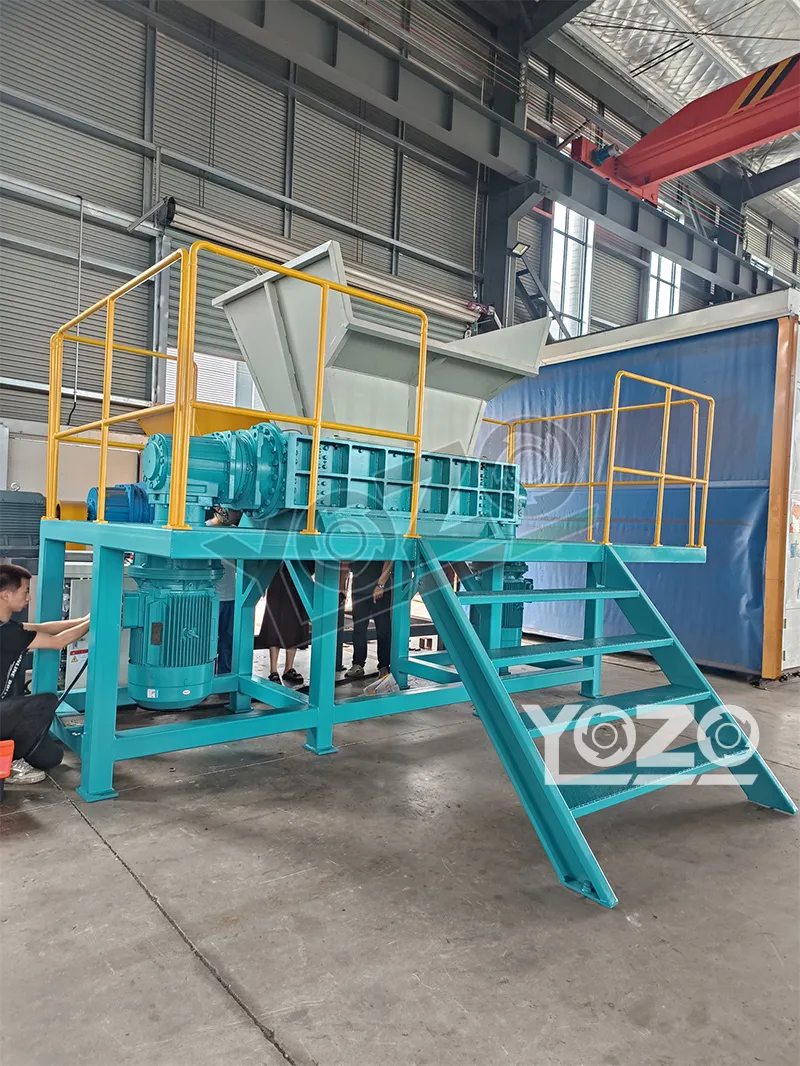
Typical Furniture Recycling Process
A complete furniture waste recycling line generally includes:
Feeding → Double Shaft Shredding → Magnetic Separation → Screening → Material Sorting → Recycling
After shredding:
Steel parts are removed by magnetic separators.
Wood can be recycled into biomass fuel or wood products.
Plastics can be sent for plastic recycling.
Foam and textiles may be processed into RDF fuel or other recycled materials.
How to Choose the Right Furniture Waste Shredder
When selecting a shredder, consider the following factors:
Material Type
Different furniture contains different proportions of wood, metal, foam, and plastic. The shredder should be configured to handle mixed materials efficiently.
Processing Capacity
Choose equipment based on your required hourly capacity and future production plans.
Blade Quality
High-strength alloy steel blades provide better shredding performance and longer service life.
Maintenance
A machine with an easy-to-maintain blade system helps reduce downtime and operating costs.
Applications
Furniture waste shredders are widely used in:
Furniture recycling plants
Bulky waste recycling centers
Municipal solid waste facilities
Waste-to-energy projects
RDF fuel production lines
Why Choose YOZO Machinery?
As a professional manufacturer of industrial recycling equipment, YOZO Machinery provides reliable shredding solutions for furniture and bulky waste recycling.
YOZO Machinery offers:
Heavy-duty double shaft shredders
Customized furniture recycling solutions
Durable wear-resistant blade systems
Complete bulky waste recycling lines
Professional technical support
Whether you are recycling sofas, mattresses, office furniture, or mixed bulky waste, YOZO Machinery can provide equipment tailored to your project requirements.
Conclusion
The best shredder for furniture waste recycling is typically a double shaft shredder because it can efficiently process bulky furniture, reduce material size, and improve recycling efficiency.
For recycling companies looking to increase material recovery and reduce disposal costs, investing in a reliable furniture waste shredder is a smart long-term solution. YOZO Machinery provides professional shredding equipment and complete recycling systems to help customers build efficient and sustainable furniture waste recycling operations.