
Waste tires are generated in large quantities from cars, trucks, buses, construction equipment, and industrial vehicles. Because tires are durable and difficult to decompose naturally, improper disposal can create long-term environmental and storage problems.
A tire shredder provides an efficient way to reduce waste tires into smaller pieces for further recycling and processing. But what is the best tire shredder for a waste tire recycling plant? The answer depends on tire size, processing capacity, required output size, and the final application. For many primary tire shredding applications, a heavy-duty double shaft shredder is an effective solution.
What Is a Tire Shredder?
A tire shredder is industrial equipment designed to reduce discarded tires into smaller pieces. It can process whole or partially prepared tires before further separation and size reduction.
Common feedstock includes:
Passenger car tires
Truck tires
Bus tires
Commercial vehicle tires
Agricultural tires
Industrial tires
The shredded tire material can then be processed into rubber chips, tire-derived fuel, or other recycled products.
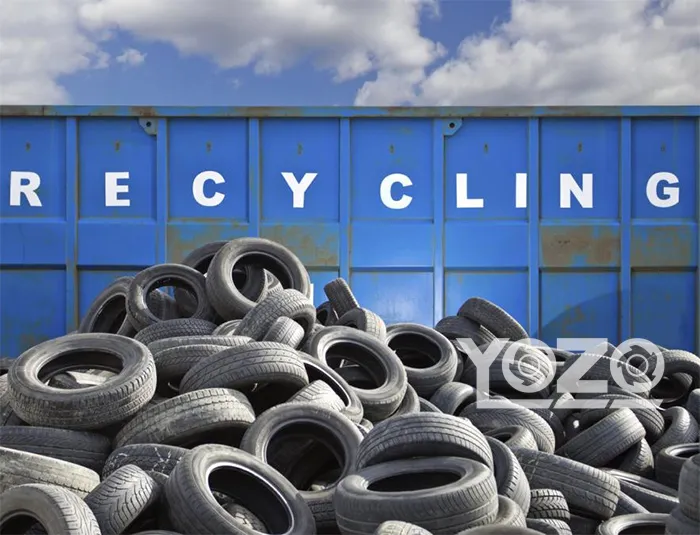
Why Is Shredding Important for Tire Recycling?
Whole tires are bulky and difficult to transport, store, and process. Shredding provides several important advantages:
Reduces tire volume
Improves transportation efficiency
Makes material handling easier
Prepares tires for downstream processing
Supports tire-derived fuel production
Improves overall recycling efficiency
For large-scale recycling facilities, efficient primary shredding is an important part of the production process.
Why Choose a Double Shaft Shredder for Waste Tires?
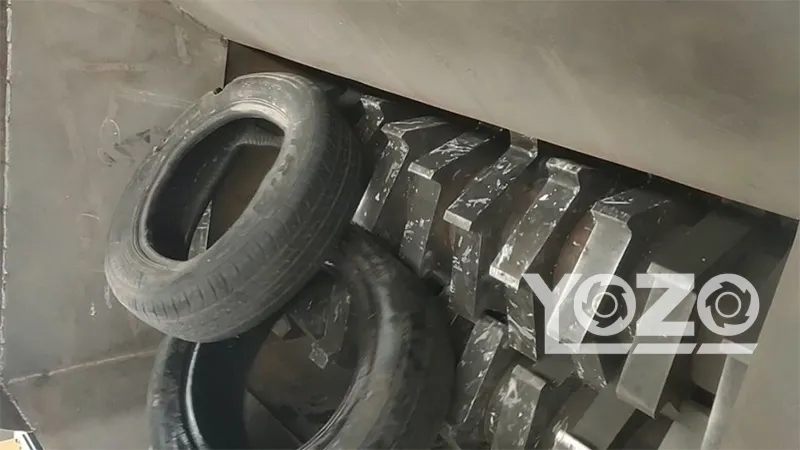
A double shaft shredder uses two counter-rotating shafts equipped with cutting blades to grab, tear, and reduce waste materials.
For tire recycling applications, its main advantages include:
High Torque
Waste tires contain strong rubber and steel reinforcement. High torque allows the shredder to process tough tire materials effectively.
Strong Tearing Force
The counter-rotating shafts continuously grab and tear tires, making the machine suitable for primary size reduction.
Heavy-Duty Construction
Industrial tire recycling requires equipment capable of operating under demanding conditions. A robust machine structure helps support continuous production.
Suitable for Different Tire Sizes
With appropriate machine configuration, double shaft shredders can process passenger car tires as well as larger commercial and industrial tires.
What Happens After Tire Shredding?
Tire shredding is usually the first stage of a complete recycling process.
A typical waste tire recycling system may include:
Tire Feeding → Primary Shredding → Steel Separation → Screening → Secondary Shredding → Final Product
After primary shredding, steel wires can be separated from the rubber material. Depending on the final application, the rubber may then be further processed into smaller chips, granules, or other products.
What Can Shredded Tires Be Used For?
Properly processed waste tires can be used in several applications.
Tire-Derived Fuel
Shredded tires can be processed into tire-derived fuel for suitable industrial energy applications.
Rubber Recycling
Further processing can produce rubber chips, rubber granules, or other recycled rubber materials.
Recovered Steel
Steel reinforcement recovered from tires can be separated and sent to metal recycling facilities.
The exact recycling route depends on tire composition, processing technology, and the requirements of the final product.
How to Choose the Best Tire Shredder?
There is no single tire shredder suitable for every recycling plant. Consider the following factors before purchasing equipment.
Tire Size
Passenger tires, truck tires, and off-the-road tires can have significantly different dimensions and construction. The shredder should be selected according to the largest expected feed material.
Processing Capacity
Determine the required tons per hour and choose equipment that matches your production target.
Output Size
Primary shredding typically produces larger tire shreds, while secondary processing can achieve smaller and more consistent particle sizes.
Blade Configuration
The cutting system should be matched to the hardness and construction of the tires being processed.
Downstream Equipment
Consider the complete recycling process rather than selecting the shredder independently. Magnetic separation, screening, and secondary shredding may all affect the required configuration.
Why Choose YOZO Machinery?
As a professional manufacturer of industrial shredding and recycling equipment, YOZO Machinery provides heavy-duty shredding solutions for waste tire recycling projects.
YOZO Machinery offers:
Heavy-duty double shaft shredders
Waste tire shredding systems
Customized recycling solutions
Wear-resistant cutting blades
Stable continuous operation
Complete waste processing line solutions
Whether you are processing passenger car tires, truck tires, or other waste tires, YOZO Machinery can develop a shredding solution according to your tire sizes, processing capacity, and final product requirements.
Conclusion
The best tire shredder depends on the type and size of waste tires, required processing capacity, target output size, and final recycling application. For primary tire size reduction, a heavy-duty double shaft shredder provides high torque, strong tearing performance, and reliable operation.
A properly designed tire recycling system can recover rubber and steel while reducing the volume of waste tires that require disposal. With customized shredding equipment and complete recycling solutions, YOZO Machinery helps customers improve waste tire processing efficiency and maximize resource recovery.