
As urban populations continue to grow, cities generate increasing amounts of Municipal Solid Waste (MSW) every day. Household garbage, commercial waste, plastics, paper, textiles, and organic materials must be processed efficiently to reduce environmental impact and maximize resource recovery.
Traditional waste disposal methods such as landfilling are becoming less sustainable due to rising costs, limited landfill space, and stricter environmental regulations. As a result, municipal solid waste shredding production lines have become a key component of modern waste management systems.
What Is a Municipal Solid Waste Shredding Production Line?
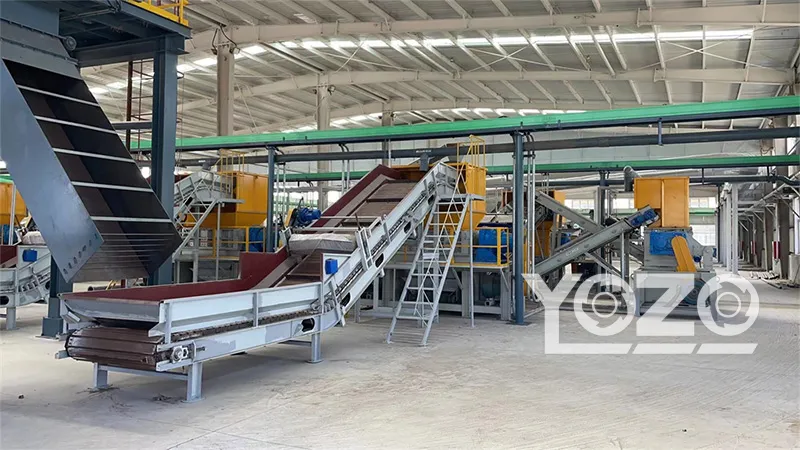
A municipal solid waste shredding production line is an integrated system designed to process mixed household and commercial waste before recycling, RDF production, or waste-to-energy treatment.
A typical MSW shredding line may include:
Feeding conveyor
Double shaft shredder
Magnetic separator
Screening equipment
Air separator
Secondary shredder
Discharge conveyor
These systems work together to reduce waste size and improve material separation efficiency.
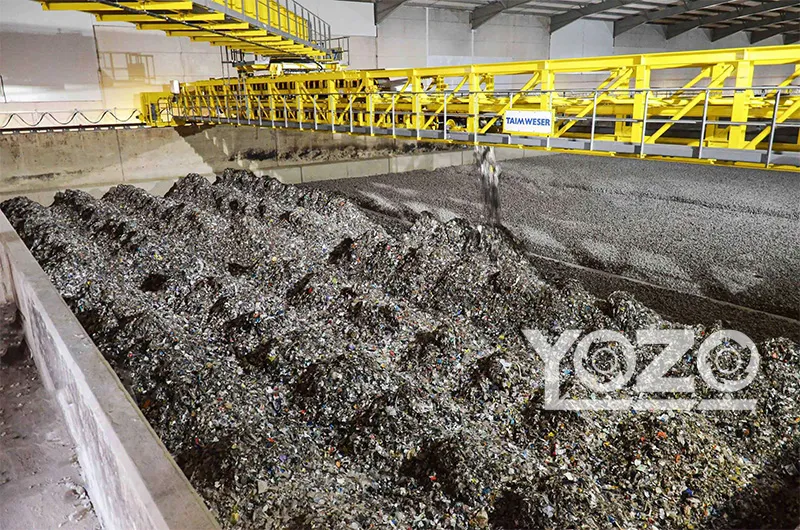
Why Are MSW Shredding Production Lines Important?
Reduce Waste Volume
Household waste often contains bulky materials that occupy significant storage and transportation space. Shredding reduces material volume, making waste handling more efficient and cost-effective.
Improve Recycling Efficiency
Smaller and more uniform materials are easier to sort and separate. This helps increase the recovery rate of valuable recyclable materials such as plastics, paper, metals, and wood.
Support RDF Fuel Production
Many waste management facilities convert non-recyclable waste into Refuse Derived Fuel (RDF). A shredding production line creates consistent material sizes that improve fuel quality and combustion efficiency.
Lower Disposal Costs
By recovering recyclable materials and reducing landfill dependence, waste treatment facilities can significantly lower disposal and transportation expenses.
Enhance Waste-to-Energy Projects
Properly shredded waste is easier to process in waste-to-energy plants, helping generate renewable energy from municipal solid waste.
The Role of Double Shaft Shredders
The double shaft shredder is often considered the core equipment of an MSW shredding production line because it can effectively process mixed waste materials.
Key advantages include:
High torque shredding power
Strong tearing force
Stable operation with mixed waste
Low-speed and low-noise processing
Reduced risk of blockage
These features make double shaft shredders ideal for household garbage and commercial waste recycling applications.
Benefits for Modern Waste Management Facilities
A municipal solid waste shredding production line can help facilities:
Increase processing capacity
Improve material recovery rates
Reduce landfill usage
Lower operating costs
Improve RDF fuel quality
Support environmental sustainability goals
As recycling standards continue to rise, efficient shredding systems have become essential for modern waste treatment plants.
Why Choose YOZO Machinery?
As a professional waste recycling equipment manufacturer, YOZO Machinery provides complete municipal solid waste shredding solutions for recycling facilities and waste management projects.
YOZO Machinery offers:
Heavy-duty double shaft shredders
Complete MSW shredding production lines
Customized project solutions
Wear-resistant blade technology
Stable continuous operation
Professional technical support
Whether processing household garbage, mixed commercial waste, or RDF materials, YOZO Machinery can provide reliable equipment tailored to your project requirements.
Conclusion
Municipal solid waste shredding production lines are essential for modern waste management because they improve recycling efficiency, reduce waste volume, support RDF production, and lower disposal costs.
As cities focus on sustainable waste treatment and resource recovery, investing in an efficient MSW shredding system is becoming increasingly important. A well-designed shredding production line helps transform waste into valuable resources while supporting environmental protection and circular economy goals.